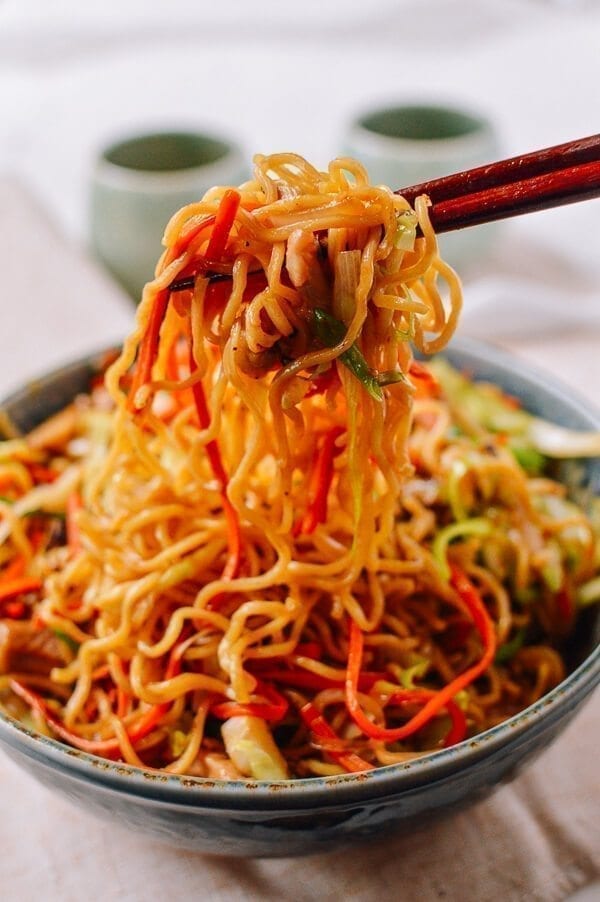
Customize Your Chicken Yakisoba: Noodle Swaps & Sauce Secrets
Few dishes capture the perfect harmony of quick convenience and irresistible flavor quite like homemade Chicken Yakisoba. This beloved Japanese stir-fry, often a takeaway favorite, transforms into a culinary adventure when you discover how easy it is to customize it in your own kitchen. Forget complex recipes and lengthy ingredient lists; with just a few clever swaps and sauce adjustments, you can recreate—and even surpass—your favorite noodle dish in under 20 minutes, tailor-made to your taste buds.
From the satisfying chew of the noodles to the dynamic interplay of sweet, savory, and tangy notes in the sauce, every element of chicken yakisoba offers a chance for personalization. Whether you're a spice enthusiast, a vegetable lover, or someone seeking the ultimate weeknight dinner solution with minimal cleanup, understanding the core components of this dish empowers you to create a unique and utterly delicious experience every time.
The Heart of Yakisoba: Mastering the Sauce Secrets
The magic of any Chicken Yakisoba lies undoubtedly in its signature sauce. It's this rich, complex blend that coats every noodle and piece of protein, delivering that craveable sweet-savory-tangy punch. While traditional yakisoba sauce often combines soy sauce, sugar, and salt, modern interpretations, especially for home cooks, frequently include a few pantry staples that elevate the flavor profile to new heights.
- The Foundation: Soy Sauce and Sweetness. High-quality soy sauce provides the essential umami and saltiness. This is balanced by sugar (granulated or brown sugar work well), creating that characteristic sweet undertone.
- Tang and Depth: Ketchup and Worcestershire. This might surprise some, but ketchup is a fantastic secret weapon for adding a tangy sweetness and vibrant color, especially prevalent in many accessible homemade yakisoba recipes. A dash of Worcestershire sauce introduces a unique, deep umami flavor with subtle fermented notes, contributing to the sauce's complexity.
- Richness and Umami Boost: Oyster Sauce. For an even richer, more profound umami flavor, a tablespoon of oyster sauce can be a game-changer. It adds a wonderful depth that's hard to replicate, enhancing the overall savory profile.
- Heat Seekers Rejoice: Sriracha and Chilli Flakes. If you love a kick, sriracha is your best friend. Start with a teaspoon and adjust upwards according to your heat tolerance. For a more direct, fiery burst, dried chilli flakes or even a freshly chopped bird's eye chili can be added during the stir-fry process with the vegetables.
Sauce Customization Tip: Whisk all your sauce ingredients together first and taste it before adding to the wok. This allows you to adjust the balance of sweet, savory, and tangy to your personal preference. Let it cool slightly if simmering to allow flavors to meld. Don't be afraid to experiment with ratios – a little extra Worcestershire for depth, a touch more ketchup for tang, or an increased sugar content for a sweeter finish can dramatically change the outcome.
Beyond Soba: Navigating Your Noodle Nirvana
While the name "yakisoba" literally translates to "fried buckwheat noodles," referring to the traditional soba noodles, the beauty of homemade chicken yakisoba is its incredible flexibility when it comes to the noodle component. Don't let the name limit your choices; the right noodle can elevate your dish and truly make it your own.
- Classic Soba: If you can find actual yaki-soba noodles (often fresh in Asian grocery stores), these are the gold standard for their chewy texture and ability to soak up the sauce beautifully. Dried soba noodles, made from buckwheat, are also an excellent choice and widely available in larger supermarkets. Remember to cook them according to package directions, then drain and rinse under cold water immediately to prevent clumping. This step is crucial for separating the strands and ensuring a perfect stir-fry texture.
- Ramen Noodles: The Accessible All-Rounder. For convenience and cost-effectiveness, ramen noodles are a fantastic substitute. Not the dried, seasoning-packet kind (though you can use just the noodles if desperate!), but fresh or dried straight ramen noodles often found in the Asian aisle. They offer a satisfying chew and absorb the sauce wonderfully.
- Udon Noodles: The Thick and Chewy Contender. If you prefer a thicker, chewier noodle, udon is an excellent option. Their robust texture stands up well to the stir-fry process and they provide a heartier bite. Look for fresh udon for the best results.
- Other Straight Asian Noodles: Don't hesitate to use any other straight, thin, or medium-thickness Asian-style noodles you have on hand. Even spaghetti or linguine in a pinch can work, though they'll give a different, less authentic texture. The key is to ensure they are cooked al dente and rinsed well before adding to the wok.
Noodle Prep Pointers: Regardless of your choice, ensure your noodles are cooked, drained, and ready to go before you start stir-frying. Cold-rinsing soba and ramen noodles is essential for preventing stickiness and achieving that desirable separate strand texture crucial for a good yakisoba. This also helps cool them down slightly, preventing overcooking in the hot wok.
Elevate Your Yakisoba: Proteins, Veggies, and Finishing Touches
Beyond the noodles and sauce, the customizable array of proteins and vegetables allows you to transform your chicken yakisoba into a nutritional powerhouse or a fridge-clearing triumph. The finishing touches, too, play a vital role in elevating the dish from good to unforgettable.
Protein Power-Ups:
- Chicken & Prawns (Shrimp): The classic combo. Chicken breast or thigh, cut into bite-sized pieces, cooks quickly. Prawns add a delightful seafood sweetness and cook in mere minutes, making them ideal for a fast stir-fry.
- Beef: Thinly sliced sirloin or flank steak works beautifully. Marinating it briefly in a little soy sauce and cornstarch can tenderize it further.
- Tofu or Tempeh: For a vegetarian or vegan option, firm or extra-firm tofu, pressed and cubed, or tempeh, provide a great texture and absorb the sauce well. Pan-fry them separately until golden before adding to the wok.
- Scrambled Egg: A staple in many yakisoba recipes, scrambled egg adds richness and texture. Cook it quickly in the hot wok, set aside, then fold it back in at the end.
Vibrant Veggie Variety:
The beauty of yakisoba is its adaptability to almost any vegetable you have on hand. Aim for a mix of colors and textures.
- Staples: Shredded cabbage and carrots (a coleslaw mix is a brilliant shortcut!), bell peppers (any color), and onions are common and provide great crunch.
- Aromatics: Fresh garlic and ginger are non-negotiable, infusing the dish with essential fragrance and flavor.
- Other Ideas: Snap peas, broccoli florets, mushrooms, baby corn, bok choy, or even thinly sliced zucchini can all be excellent additions. Remember to cut vegetables into similar, bite-sized pieces for even cooking, and avoid overly watery vegetables like tomatoes that can make the dish soggy.
The Finishing Flourish:
- Pickled Ginger (Gari): Those vibrant pink or reddish strips of pickled ginger offer a refreshing, slightly piquant counterpoint to the rich sauce. You can often find them in Asian supermarkets or alongside sushi ingredients in larger grocery stores. If you have pink sushi ginger (gari) on hand, that works perfectly.
- Crispy Onions: A sprinkling of crispy fried onions adds an incredible textural contrast and savory depth.
- Sesame Seeds: Toasted sesame seeds provide a subtle nutty flavor and an appealing visual garnish.
- Fresh Herbs: A scatter of fresh cilantro or spring onions (scallions) adds freshness and a pop of color.
Tips for the Perfect Stir-Fry & Easy Cleanup
Achieving that perfect stir-fry texture and flavor for your chicken yakisoba is all about technique and timing. And for those who dread the post-dinner cleanup, the "one-pan" approach is a true revelation.
- Hot Wok is Key: A screaming hot wok or large frying pan is essential for stir-frying. This creates that desirable charred flavor and prevents ingredients from stewing. Ensure your oil is shimmering before adding anything.
- Prep Everything First: Stir-fries move fast! Have all your ingredients chopped, measured, and ready to go before you even turn on the heat. This is known as "mise en place."
- Cook in Stages: Don't overcrowd your pan. Cook proteins (chicken, prawns, eggs) in batches if necessary, removing them from the pan as they cook, then adding them back in at the end. This ensures everything cooks evenly and prevents the temperature of your pan from dropping too much.
- Add Aromatics Last: Garlic and ginger burn quickly. Add them after your main protein has started cooking, just before adding the harder vegetables, and stir-fry for only 30-60 seconds until fragrant.
- The One-Pan Advantage: The beauty of yakisoba, especially simplified home versions, is that it can largely be a one-pan dish. Scramble your eggs, set them aside. Stir-fry your chicken, set it aside. Then proceed with the vegetables, noodles, and sauce, finally folding everything back together. This minimizes washing up, making it a perfect weeknight solution.
Conclusion
From noodle swaps to sauce secrets and endless veggie combinations, customizing your chicken yakisoba is not just easy, it's an incredibly rewarding culinary journey. You now have the knowledge and inspiration to transform a simple stir-fry into a personalized masterpiece that caters to your exact preferences. So gather your ingredients, fire up your wok, and get ready to create a quick, delicious, and utterly satisfying meal that’s far superior to any takeout. For more speedy dinner solutions, explore our Minute One Pan Chicken Yakisoba: Quick & Easy Dinner recipe!
